
awareness Hub
Exposure Awareness and Preventive Guidelines
NextGEM's Contributions to Practical Guidelines on EMF Exposure
As wireless technologies like 5G become an everyday part of life, questions and concerns about exposure to electromagnetic fields (EMF) are growing. Many citizens are curious —or even worried— about what these technologies mean for their health and well-being. At the same time, public authorities across Europe are tasked with ensuring that new technologies are introduced safely and that people have access to clear, reliable information.
To address these needs, practical guidelines have been developed to help both citizens and public authorities understand and manage EMF exposure. These guidelines are grounded in the latest scientific knowledge and shaped by the experiences and concerns of people from across Europe. Whether you are seeking trustworthy information, looking for practical steps to reduce exposure, or needing support in communicating about EMF and health, these guidelines are here to help you make informed decisions.
Target Audiences
Key Facts on EMF Exposure Levels
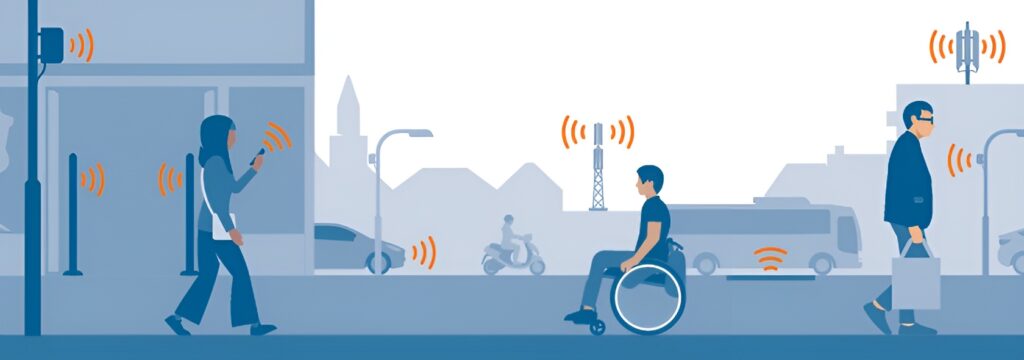
Electromagnetic fields (EMFs) exist in nature and have always been present. They are invisible areas of energy, often referred to as “radiation,” that are produced by electricity and wireless technologies. In our daily lives, EMFs are used for a wide range of essential services, including mobile phones and 5G networks, Wi-Fi, Medical equipment, such as MRI scanners, etc. Wireless communication relies on EMFs to send information quickly and efficiently, enabling everything from video calls and streaming to smart homes and connected devices. As society becomes more digital, the number of EMF sources in our environment has increased.
EMF Exposure: A reality Check
• Everyday EMF exposure is typically far below safety limits. Independent measurements across Europe consistently show that EMF levels from mobile networks, Wi-Fi, and other sources are well within national and international safety guidelines (such as those set by ICNIRP and adopted by the EU).
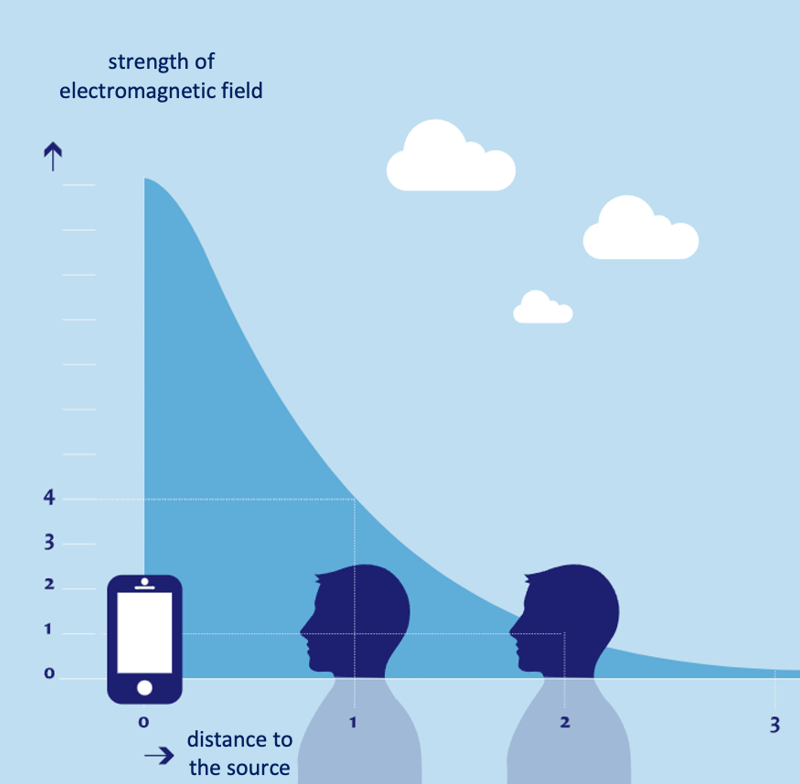
• Exposure is highest close to the source. For example, using a mobile phone close to your body results in higher personal exposure than living near a mobile phone mast or base station.
• 5G and new wireless technologies do not automatically mean higher exposure. Modern networks use advanced techniques, such as targeted beams and lower transmission power, to minimize unnecessary exposure. In many cases, the average exposure from 5G is similar to or even less than that from previous technologies.
Established Facts vs. Public Concerns
● EMFs from wireless technologies are non-ionizing. Unlike X-rays or radioactive materials, the EMFs used for technologies such as mobile phones, Wi-Fi, and 5G do not have enough energy to damage DNA or directly harm the cells in your body.
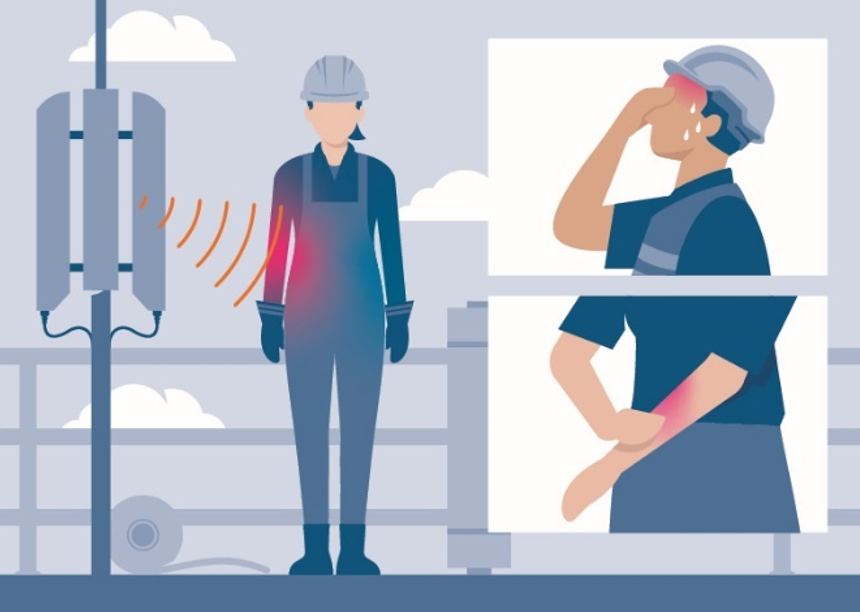
● Health effects depend on frequency and strength. Scientific research shows that at very high levels, EMFs can cause effects such as heating of body tissues (as in a microwave oven) or stimulation of nerves and muscles. However, the levels of EMF found in our living environments—such as from mobile phone masts or Wi-Fi routers—are far below these thresholds. Safety guidelines are designed to protect everyone, including children and vulnerable groups, by setting exposure limits far below the levels where any effects have been observed. In fact, the limits for the general public are more stringent than those for workers who might be exposed as part of their job
● Current evidence does not show health risks from everyday exposure. Decades of scientific research, including large-scale studies on humans and animals, have not demonstrated any health effects from EMF exposure below internationally recommended safety limits. Organizations such as the World Health Organization (WHO), the International Commission on Non-Ionizing Radiation Protection (ICNIRP), and national health agencies regularly review the latest science to keep these limits up to date.
Common Public Concerns and Misunderstandings
Fact: All wireless technologies, including 5G, must comply with strict safety standards before being introduced. 5G uses frequencies that are already well-studied, and scientific reviews so far have not found new health risks at exposure levels below the guidelines.
Fact: The highest EMF exposure usually comes from devices used close to the body, such as mobile phones, not from distant masts or base stations. Exposure from base stations is typically much lower—often thousands of times below safety limits.
Fact: Large studies have not found convincing evidence that EMFs at levels found in homes, schools, or public places cause cancer or other diseases. Some early studies suggested a possible link between EMFs and certain health effects, but these findings have not been confirmed by more recent, higher-quality research. The International Agency for Research on Cancer (IARC) classifies radiofrequency EMFs as “possibly carcinogenic,” which means there is limited evidence and ongoing research, but no clear proof of harm.
Fact: Some countries choose even stricter limits as a precaution, but this does not mean EMFs are proven dangerous at lower levels. In fact, introducing extra precautionary measures can sometimes increase public anxiety rather than reduce it.
Practical Tips to Minimize Personal EMF Exposure
Use speaker mode, headphones, or a hands-free kit when making calls. This increases the distance between your body and the device, reducing exposure.
The less time you are exposed, the lower your exposure.
If practical, connect computers and other devices to the internet using cables instead of Wi-Fi.
Switch your Wi-Fi router, tablet, or smartphone to “airplane mode” or turn them off overnight or when you do not need them.
Position routers in less-frequented areas of your home or workplace, rather than in bedrooms or next to desks.
Encourage alternatives to screen time, and consider using airplane mode on tablets or phones when children are playing offline games.
Use a bag, backpack, or place it on a nearby surface instead of in a pocket.
Guidelines for Public Authorities
Public authorities are responsible for the safe rollout of wireless technologies, as well as addressing public concerns.
Communicate Transparently About Antenna Installations
Clearly outline why new antenna installations are needed (e.g., improved coverage, emergency services, digital inclusion), and what benefits they will bring to the community. In addition, Provide accessible information about how antennas work, where they will be located, and how exposure levels are monitored and kept within safety limits.
Proactively Handle Community Questions
Inform communities about planned installations as early as possible and involve stakeholders in the discussion and decision-making process, especially in sensitive locations like schools or residential areas. Take all questions seriously, recognizing that concerns may be rooted in emotions as well as facts, making sure to listen actively and respectfully.
Handling Controversies and Misinformation about EMF
By prioritizing openness, early engagement, and clear, science-based communication, public authorities can help reduce misunderstandings, build public trust, and ensure that technological progress benefits everyone.
Stay Aware
Stay aware of rumors or false information circulating in the community or on social media. Address them directly with factual, transparent responses.
Encourage Feedback
Encourage feedback and make it easy for citizens to express concerns or report misinformation. Encourage dialogue rather than dismissal of public fears.
Engage With Communities
Work with schools, healthcare providers, and community organizations to disseminate reliable information and build credibility.
Aknowledge and Explain
Offer balanced explanations openly acknowledging public concerns.